

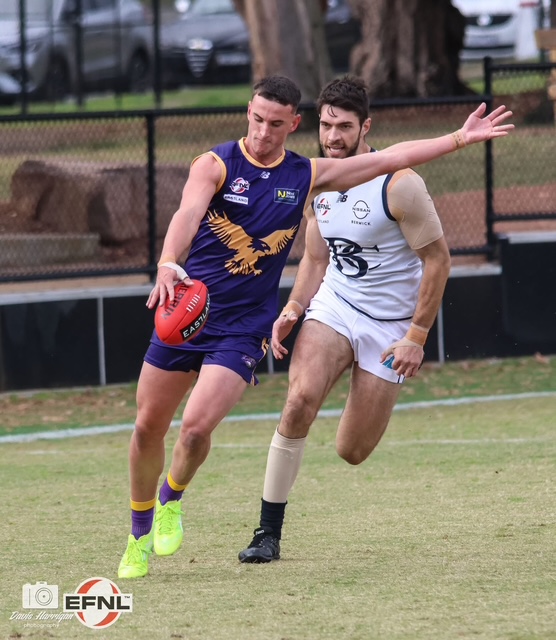
Positional Play: Know Your Role, Play Your Role
In the high-pressure, fast-moving world of football, knowing your role on the field is one of the most important things you can do for yourself and your team. Every position has a purpose. When you understand what’s expected of you and commit to it, you help build a stronger, more connected team — and you give yourself the best chance to perform at your peak.
Why Role Clarity Matters
Every footballer brings different strengths to the game. Some are explosive runners, others are lockdown defenders, and some thrive on structure and smart decision-making. Whatever your style, knowing your role allows you to focus your energy where it matters most.
Players who clearly understand and embrace their role:
-
Make better decisions under pressure
-
Play with greater confidence and intent
-
Contribute more consistently to team structures
-
Minimise mistakes by sticking to what they do best
What Makes an Effective Role Player?
Every position has key demands. To execute well, players need to have a clear understanding of:
-
Key Performance Indicators (KPIs): The key actions and outcomes expected in your role
-
Position-specific skills: The core techniques and habits that define your position
-
Tactical awareness: Understanding when to press, when to hold shape, and how to read the play
-
Physical and mental demands: Being fit enough, tough enough, and focused enough to do your job all game
Mastering these elements doesn’t just make you a better player — it makes your team more dangerous, more disciplined, and more likely to win.
Role Focus: Attacking Back Pocket
The modern attacking back pocket is a vital cog in both defence and offence. This role demands more than just shutting down an opponent. It requires smart positioning, clean disposal, and a willingness to work hard without always getting rewarded on the stats sheet.
Here’s what defines an elite back pocket in today’s game:
Core Responsibilities
-
Willingness to run and receive: Be that link player to get the ball out of defence.
-
Read the play and defend the crumb: Position yourself well at contests — be first to the fall of the ball.
-
Body strength: Hold your ground and compete in physical contests.
-
Reversing and transferring play: Switch the ball when the moment is right to relieve pressure.
-
Quick transitions: Shift between defence and attack without hesitation.
-
Back your judgement: Step in to support a teammate in a one-on-one when needed.
-
Timed runs and smart angles: Know when to go and how to cut off the space effectively.
-
Defend first: Make it hard for your opponent to have an impact. Be reliable and difficult to play against.
-
Stretch your opponent: Drag them into uncomfortable areas and make them defend.
-
Run unrewarded: Be selfless — your work helps set up team success even if you don’t touch the ball.
-
Follow up efforts: Don’t stop at one contest — keep going until the danger is cleared.
-
Intercept when needed: Know when to leave your man to spoil or cut off a forward entry.
Final Thoughts
Not every player can be in the spotlight — but every player can be vital to the team. Success starts when each player takes ownership of their role and plays it with pride, discipline, and effort.
So whether you’re the attacking back pocket, the key forward, or the inside mid — know your role, play your role, and back yourself every time you step onto the field.